Sports Physicals

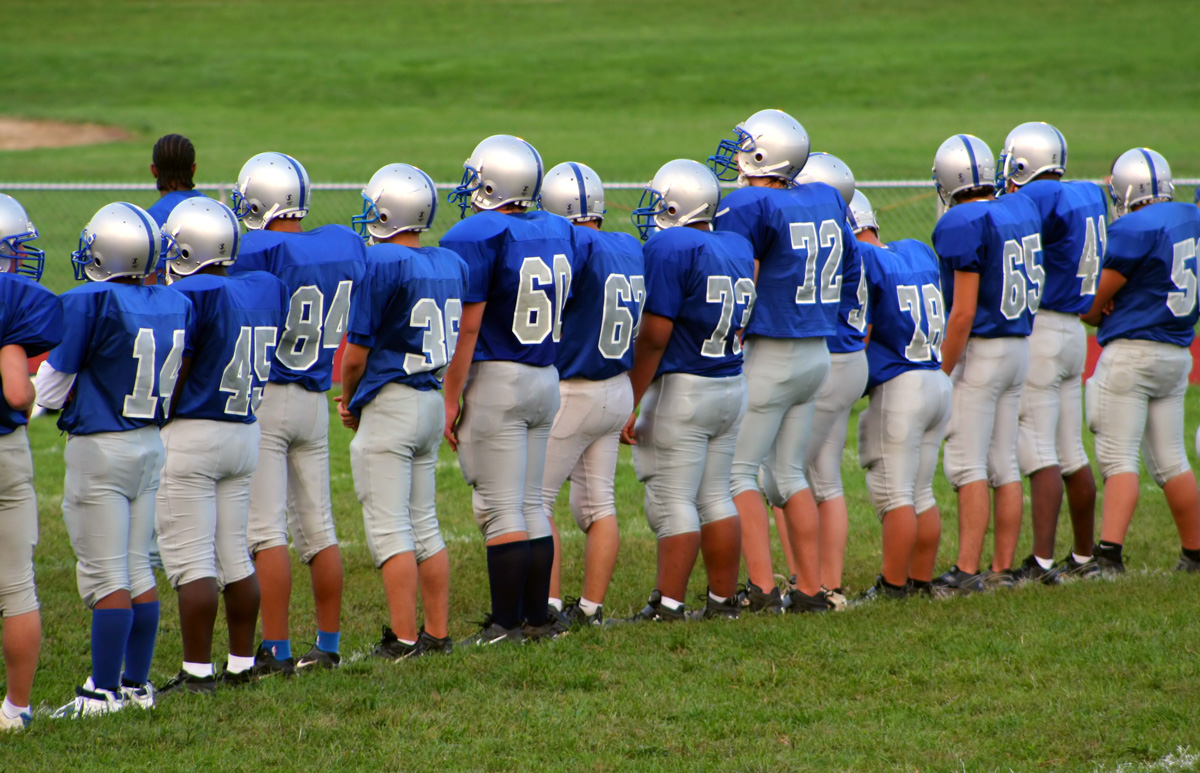
football sports team standing on sidelines

Sports Physicals in Wichita, KS

Our Sports Physicals Overview

The movement-based chiropractors at ICT Muscle & Joint Clinic are proud to offer two different Sport Physicals. We are the only clinic within the state of Kansas, at this time, to do so. We hope this will become a trend. Our two Sports Physical offerings are the Basic Sports Physical and Advanced Sports Physical which are offered at both ICT Muscle & Joint Clinic chiropractic clinics in East Wichita and West Wichita.

Our Basic Sports Physicals

We do offer a Basic (AKA “normal”) Sports Physical. This is the traditional Sports Physical which has been around for decades – nothing new. But in our opinion, this is not a sports physical; it is a health physical or check-up. Cataloging basic information such as height, weight, blood pressure, eyesight, etc., may be needed but is not calculating an athlete’s athletic prowess, movement quality, or movement limitation(s) specific to a sport or even overall movement-health. Ask yourself, if a young athlete is going to move for their sport, does it not make sense to assess the young athlete’s movement as well?

Cost of ICT Muscle & Joint Clinic’s Basic Sports Physicals?

Our Basic Sports Physicals are $35. Like all Sports Physicals, it is non-billable to insurance.

Kansas 2023 Sports Physicals Form

Please print, fill out (athlete, parent, and/or guardian), and bring this Kansas 2024 Sports Physical Form in for your appointment. It is important to bring in this form with your portion filled out prior to the visit.

Basic Sports Physicals Appointment Time

You can schedule directly online for a Sports Physicals. Select East or West Wichita and then a preferred doctor if desired. From here, select Basic Sport Physical. Appointment duration is booked for 20 minutes.

Schedule Now

Level Up to an Advanced Sports Physical

Our Advanced Sports Physicals

In our opinion, an athlete’s assessment should focus on how well a student-athlete can move beyond sitting at a desk and taking blood pressure. Dysfunctional (less than ideal) movement patterns may increase odds of injury. An individual’s age, gender, general movement pattern(s), and sport-specific movement pattern(s) should all be taken into consideration when assessing for a sport physical. Addressing an individual’s movement capacity may reduce injury and improve sport performance.1 It is the combination of these metrics (age, gender, and sport-movement requirements) which collectively help identify at risk categories for injuries. When identifying no, low, moderate, and high-risk categories for injury, high risk athletes were 3.4 times more likely to get injured during season compared to the low-risk athlete based on our assessment protocol.2 3 4

Within our Advanced Sport Physical, a Basic Sport Physical will be provided; however, the student-athletes will receive much more. Our Advanced Sport Physical is a contract between us, you (parent or guardian) and your student-athlete. This contract is more than a physical paper. It is a commitment to each other to keep the athlete healthy and working toward improving their overall health – on and off the field or court.

Why ICT Muscle & Joint Clinic Created an Advanced Sports Physicals

It is estimated 45 million youth will participate in sport related activity in any given year. Unfortunately, roughly 35% of these youth athletes will stop participating each year with a total cost to injuries estimated at roughly $2 billion.5 With advancements in technology and healthcare, this should not be occurring. Yet the facts are the facts. This is why we have created an Advanced Sport Physical.

Our goal with this Advanced Sports Physicals is to hold all parties (us, student-athlete, parents, guardian, coaches, and school programs) accountable in stopping and hopefully reversing this trend for Wichita athletes. If we can keep our kids healthy and injury free, then they can enjoy sports and an active healthy lifestyle easier. Through this commitment together, we believe, we can locally make a positive impact in reducing injury rates while decreasing the 70-80% attrition rate (the rate of at which a person leaves (AKA burnout) of youth athletes by 15 years of age.6

The kids who do keep moving early in life are those who are healthier amongst us as they age. With the USA obesity rate increasing to 42% in 2021, we must focus on encouraging and keeping our youth active and participating in healthy activities to address this concern.

“An ounce of prevention is worth a pound of cure.” – Benjamin Franklin

The goal of this program is to target prevention and in so doing creating a positive, active experience for our youth. The youth-athletes who participated in trial-based programs, similar to what we are offering, had better injury prevention outcomes.7 This makes sense because the number 1 factor for injury is previous injury – not necessarily in the same area of previous injury. This becomes even more true within specific types of injuries such as ACL tears. Combining these risk factors, athletes younger than 25 years of age who return to sport have a secondary ACL injury rate of 23%.8 Even adequate sleep is a factor in injury occurrence. Athletes who had ≤8 hours of sleep are 1.7 times more likely to have an injury compared to those who slept ≥8 hours. For every additional grade level, an athlete is 1.4 times at greater risk of injury.9 We highlight these seemingly unrelated aspects to emphasize a better, global approach in assessing and providing care for our youth.

Hopefully this quick information highlights the importance of needing a more thorough sport physical to truly help our youth in their sport-related activities.

Our Advanced Sports Physicals Incorporates:

  • Basic Sport Physical

    This is your traditional Sport Physical noted above.

  • Functional Movement Screen (FMS)

    The Functional Movement Screen came about to help identify large movement limitations or flaws for a person – not athlete specific. The FMS works to identify movement patterns which may produce pain for a person needing to be addressed before moving onto more advanced assessments such as the Y-Balance Test or Functional Capacity Screen.

  • Y-Balance Test

    The Y-Balance Test is performed after the FMS to help identify movement limitations, or asymmetries, between the left and right side of the body, as well as the upper body from the lower body. The Y-Balance Test identifies limitations in how the core and limbs are communicating and moving under bodyweight loads. This is a vital component for rotational and explosive athletes.

  • Functional Capacity Screen (FCS)

    The Functional Capacity Screen assesses four key controls: Movement, Postural, Explosive, and Impact. These controls identify the athlete’s ability to climb, carry, jump, and run respectively. We break these controls down, within this order, after assessing the FMS and Y-Balance tests. This allows us to be highly accurate and efficient, producing reliable and valuable data to address an athlete’s limitation. Then we work to keep them healthy and injury free in congruence with their strength coach, personal trainer, sport coach, parent/guardian, and school system.

Cost of ICT Muscle & Joint Clinic’s Advanced Sports Physicals?

$340 paid in full at the time of initial visit.

Our Advanced Sports Physicals Contract

We believe in keeping up with a student’s health during and out-of-season. This package includes an initial 1-hr assessment, and 3 follow-up visits within the given year. These visits are designed to assess, monitor, track, and improve the student-athlete’s athletic prowess towards preventing injury.

Scheduling an Advanced Sports Physicals

You can schedule directly online. If you are scheduling for a first visit, please select East or West Wichita location. All our doctors are trained in this system; however, if you have a preferred doctor, please select their picture. From here, select New Patient which will direct you to a 1-hour time slot. 

For follow up visits, your child’s doctor will guide you toward 40-minute appointment intervals.

Schedule Now

Additional Youth-Athlete Information

Dig Deeper

Click on any item below to learn more about sports physicals and student athletics.

  • College Recruiting and Injury

    Competitive youth sports have exploded over the last 15 years. For better or worse, at this point it does not look to be slowing down. As a result of this, youth injury rates have skyrocketed. There are many factors to this. However, healthcare has known that in-sport volume is a plague to injuries. More than 25-year-old research has consistently been validated with pitch count in youth baseball and softball, but no guidelines have ever been implemented to modify a young athlete’s pitch count.10 There are many factors into why this is; however, it does not change the fact that improved programming needs to occur to help prevent injuries. There are ways we can improve this ever-increasing injury rate that we will address for your youth-athlete in the Advanced Sport Physical.

    We do believe, there is an important picture to paint, brought to light by Eric Cressey, a highly sought-after strength and performance coach to some of the best prospective pro baseball players in the country.

    Imagine, you have the potential to buy two Ferraris. One has 200,000 miles and the other has no miles; you are going to buy the no mileage vehicle. It’s simple, it will have the same performance capacity but less wear and tear. Think of this regarding high school athletes looking into college sports and college recruits. If two athletes are of equal caliber but one has been plagued with injuries, then a college recruit will be more willing to recruit the student-athlete with less wear and tear.

    Now stating this, injury rates are not the only factor college recruits investigate. However, this simple picture does highlight what might be going through a college scout’s head when identifying which student-athlete to pursue. Understanding and preventing wear and tear on our youth-athletes is not only good for overall health but also a way to decrease athletic injury and improve athletic performance.

  • The Hypermobile Athlete

    We go above and beyond with our Advanced Sport Physical. We look for markers which may indicate an athlete’s overall mobility score. Through this process we can identify if an athlete is not only predisposed to certain types of injuries, but also exercises, guidance, and care to help prevent injuries from occurring.

    This incidence of different body types and flexibility11 capabilities are noted within the injury rates.

    Simple At-Home Test for Hypermobile Athletes

    Hypermobility is more common than many, including healthcare providers, might realize. It is significantly under diagnosed. Roughly 34% of youth are hypermobile.13 This is an important marker to identify within a youth-athlete due so that stretching and lifting programs may then accommodate as such. Generic programs, which have all youth doing the same stretching and lifting programs, should be abolished. 34% of youth-athlete’s program potential should be very different than their peers – even within the same sport. The athletes who participate in neuromuscular training programs have less injury complications than those of SHAM programs.13

    What Hypermobility Looks Like


    According to the Beighton Scale, children under the age of 16 must be able to achieve 6 out of these 9 points to be considered hypermobile. If your child or youth-athlete can perform 6 of these 9 points, their stretch- to-strength programming ratio should potentially be different than their peers.

How Our Chiropractic Sport Physical Services Can Help Your Student-Athlete

Sport Physicals need to move beyond the current simple health check looking for red flags. Identifying red flags are important; however, that is merely a health check.

Just like our pain auditing protocol for patients experiencing pain, our sport physicals have their own protocol to address red flags for specific movement limitations. Throughout these visits, we will focus primarily on movement quality, not pain patterns. If a student-athlete is getting pain, we will halt visits until pain is eliminated. If we do not program as such, your child may be at an increased risk for injury which is the opposite of what we are working toward.

Content written by Dr. Keith Sparks, DC | Selective Functional Movement Assessment Certified (SFMA) Certified, Functional Movement Screen (FMS) Certified, Y-Balance Test (YBT) Certified
Content Reviewed by Dr. Rachel Sparks, DC | Doctorate of Chiropractic from Cleveland Chiropractic College-Kansas City

View Citations and References

1 Pfeifer CE, Sacko RS, Ortaglia A, et al. FUNCTIONAL MOVEMENT SCREEN™ in YOUTH SPORT PARTICIPANTS: EVALUATING the PROFICIENCY BARRIER for INJURY. Int J Sports Phys Ther. 2019;14(3):436-444. doi:10.26603/ijspt20190436

2 Plisky PJ, Rauh MJ, Kaminski TW, Underwood FB. Star Excursion Balance Test as a predictor of lower extremity injury in high school basketball players. J Orthop Sports Phys Ther. 2006;36(12):911-919.

3 Butler RJ, Lehr ME, Fink ML, Kiesel KB, Plisky PJ. Dynamic balance performance and noncontact lower extremity injury in college football players: an initial study. Sports Health. 2013;5(5):417-422.

4 Smith CA, Chimera NJ, Warren M. Association of y balance test reach asymmetry and injury in division I athletes. Medicine and science in sports and exercise. 2015;47(1):136-141.

5 Adirim, T.A., Cheng, T.L. Overview of Injuries in the Young Athlete. Sports Med 33, 75–81 (2003). https://link.springer.com/article/10.2165/00007256-200333010-00006

6 Breuner CC. Avoidance of burnout in the young athlete. Pediatr Ann. 2012;41(8):335-339. doi:10.3928/00904481-20120727-14

7 Zwolski C, Quatman-Yates C, Paterno MV. Resistance Training in Youth: Laying the Foundation for Injury Prevention and Physical Literacy. Sports Health. 2017;9(5):436-443. doi:10.1177/1941738117704153

8 Wiggins AJ, Grandhi RK, Schneider DK, Stanfield D, Webster KE, Myer GD. Risk of Secondary Injury in Younger Athletes After Anterior Cruciate Ligament Reconstruction: A Systematic Review and Meta-analysis. Am J Sports Med. 2016;44(7):1861-1876. doi:10.1177/0363546515621554

9 Milewski MD, Skaggs DL, Bishop GA, et al. Chronic lack of sleep is associated with increased sports injuries in adolescent athletes. J Pediatr Orthop. 2014;34(2):129-133. doi:10.1097/BPO.0000000000000151

10 Feeley BT, Schisel J, Agel J. Pitch Counts in Youth Baseball and Softball: A Historical Review. Clin J Sport Med. 2018;28(4):401-405. doi:10.1097/JSM.0000000000000446

11 Konopinski MD, Jones GJ, Johnson MI. The effect of hypermobility on the incidence of injuries in elite-level professional soccer players: a cohort study. Am J Sports Med. 2012;40(4):763-769. doi:10.1177/0363546511430198.

12 Sobhani-Eraghi A, Motalebi M, Sarreshtehdari S, Molazem-Sanandaji B, Hasanlu Z. Prevalence of joint hypermobility in children and adolescents: A systematic review and meta-analysis. J Res Med Sci. 2020;25:104. Published 2020 Nov 26. doi:10.4103/jrms.JRMS_983_19

13 Foss KDB, Thomas S, Khoury JC, Myer GD, Hewett TE. A School-Based Neuromuscular Training Program and Sport-Related Injury Incidence: A Prospective Randomized Controlled Clinical Trial. J Athl Train. 2018;53(1):20-28. doi:10.4085/1062-6050-173-16

For More Health Info and Topics

Search our Library for more information surroundings various health topics, facts, and myths of healthcare, and much more. Sign up for our Newsletter to receive monthly health tips and our 10 Tips to True Health.

Download Now

Contact Us with Further Questions

If you are in the Wichita, KS, area and are having frustrations, complications, or stagnant results with care, then contact us for in-person help with our unique healthcare approaches. If you are not within the greater Wichita, KS metro, we have created amazing Telehealth and Video Programs to provide you the same high-quality care. Contact our professional chiropractic staff at our East Wichita clinic or West Wichita clinic about possible treatments for your muscle, joint, nutrition, and health-related concerns today.
Contact Our Team

Read more …Sports Physicals

Custom Foot Orthotics

custom foot orthotics

Custom Foot Orthotics

At ICT Muscle & Joint Clinic, our unique, pain classification, assessment system will indicate if a person does or does not need a custom foot orthotic. Other interventions, not local to the foot, may address the issue at hand more effectively. We do not build custom foot orthotics based upon another individual’s thoughts or recommendations including: another healthcare provider, web search (i.e. WebMD), or Google recommendation. When we build custom foot orthotics, we use it as an integration, or extension, of an advanced pain categorization system. There are many factors that can lead to foot pain; however, multiple factors including age, gender, and movement or sport-requirements should be considered prior to orthotic fittings.1

Our system is incredibly thorough and will identify the appropriate course of action when appropriate. If we do not follow this approach, then it is an ethical, moral, and financial disservice to customers. We pride ourselves on using this pain categorization system, which directs a patient’s care flow.

Are Foot Orthotics Worth It?

Worth or value can also be viewed as “beauty is in the eye of the beholder.” What is valuable, from one person to another, may be different. First answering subjective questions, then working to objectify them into monetary means, might be the best approach for some. While others may process the decision of value by working backward from monetary cost to subjective emotions or desires. The rate of purchase of an orthotic may be a factor in a person’s decision making as well (i.e. once every 5 years or twice per year). Because there are many factors for a person to consider in purchasing a custom foot orthotic, we can help educate you ahead of time on what the research indicates.

Dig Deeper

Click on any item below to learn more about Custom Foot Orthotics.

  • Foot Structure, Pronation, Foot Pain, and the Research

    Once upon a time, physical therapists, podiatrists, and chiropractors alike swore pronation (foot dropping inward to the ground) was the root of all evil. Thankfully, we are a few years past this thought process. However, some within these industries, and the running industry alike, will still regurgitate this old wives’ tale. It was, and still can be, communicated to an individual that a foot orthotic will help reduce the amount of pronation in a person’s foot or give them better support. This idea of “better support” is providing the illusion of walking or running pain-free or walking and running faster; research does not support this statement. In contrast, the research supports the opposite, in that a slight pronated foot might produce less injury rates.2 Another way to state this is that a foot that is less supported has decreased injury rates. Pronation or overpronation, as a single factor, is not justification for a custom foot orthotic. This research, in part, is what gave way to the popularity of the minimalist drop or neutral shoe. The foot is designed to move, not be restricted.

    With foot orthotics, the research indicates the two extreme foot structures, more so extreme flat feet, may experience benefit with a foot orthotic - over the counter or customized. Reasoning for this is still not clear; however, foot orthotics may distribute pressure away from the heel and forefoot into the arch which in turn increases sensory input throughout the entire foot.3 However, it is important to note, full length orthotics, which support the arch, can decrease musculature and strength of various foot muscle by as much as 17%.4 This study was performed for 12 weeks which targeted young, healthy adults.

    We do understand the overall range of pronation is not altered by foot orthotics, but some research suggests controlling the speed of pronation is the ultimate factor in reducing injury rates of these two extreme foot structures.5 A foot orthotic may help slow the speed of pronation down, but it is a short-term fix. Other interventions, dictated by our assessment protocols, produce more effective results in producing long-term pain reduction and performance outcomes.

    For both the extremes, high-arched and low-arched individuals, there are additional factors to consider with building or buying an orthotic. We can identify benefit with varus and valgus wedges with these different foot structures.6 These wedges are quite simple in that they support or push the foot by rolling the foot outward or inward.

    To recap this section, foot structure alone does not warrant a custom foot orthotic. Other interventions, such as specific exercises and over-the-counter orthotics, may be better alternatives regarding outcomes with pain, performance, and cost than expensive orthotics. Our goal in writing this section is not to scare you away from purchasing a custom foot orthotic but to highlight a genuineness in care you will receive from us if you are considering a foot orthotic or having foot pain.

  • Are Foot Orthotics Covered by Insurance?

    Foot Orthotics, without insurance, often cost between $200 to $800. Our orthotics fall in the middle at $400. This is usually for just the orthotic themself, not associated visits or fittings. At this time, foot orthotics may be a covered service for those with diabetic neuropathy or another form of leg or foot neuropathy only. There are hidden gem insurance plans which will cover some or all the costs. However, most insurance plans do not cover the cost(s) of foot orthotics. They might cover the appointment fees but not the actual foot orthotics themselves. Foot conditions surrounding neuropathy and diabetes, may be partly or completely covered by an individual’s insurance company, policy, and plan.

    Because of this insurance nuance, we will not bill to insurance(s) for orthotics. However, we can provide a receipt of purchase which you can in turn submit to your insurance company. Sometimes, an insurance company may allow this purchase to be distributed into your in-network deductible or out-of-network deductible. We, ICT Muscle & Joint Clinic, are not stating it will be covered or are subjugated to what an insurance may tell you in difference to this statement.

    Why are Foot Orthotics Not Covered by Insurance?

    There are a few reasons behind this. Currently, custom foot orthotics are considered preventative under Medicare guidelines. Unfortunately, health insurance plans do not cover preventative care treatments or plans. With a deeper dive, insurance companies used to cover foot orthotics. Within the rumor mill, healthcare providers used to prescribe foot orthotics like opioids, “Want some? Come get some.” and bill to the insurance companies as such. Due to this approach, it became costly for the insurance companies and businesses, who pay a large share of an employee’s insurance plan, to keep covering as a provided service without having to increase cost to the employee’s monthly premium through the insurance plan.

Is your Foot Pain a Foot problem?

According to the EXPOSS study, 29% of the time, a foot problem is not foot in origin – it’s originating within the spine.7 How often have you had your spine thoroughly evaluated when seeking help for foot pain? Chance is, never; this is a shame. The low back can be a source of foot pain without having pain (i.e., back problem does not have to produce back pain). A back problem can produce foot pain without complications or pain elsewhere.

Without evaluating the low back as a source of your foot pain, then there is automatically a 29% reduction in producing positive outcomes. Morally, it is an injustice for us to consider an orthotic without assessing for the source of pain – especially considering a $400 foot orthotic that would then produce limited positive results at best. Tired of this approach? Us too. Therefore, you should seek care with an ICT Muscle & Joint Clinic doctor before a foot orthotic is considered. Let us be your traffic controller in the never-ending world of healthcare sales.

29 % of the time a foot problem is originating within the spine

ICT MJC’s Extra Step to Foot Pain with Runners

If you are having foot pain and are a runner or attempting to get into running and having foot pain, other physiobiological factors, metabolic (energy efficiency) factors, and training programming may be the ultimate cause of your pain. Over the years, we have identified that addressing these factors can be vital to producing long-term results with fewer re-injury rates. Simply stated, the causative factor to mechanical pain or problems is not always mechanical in nature.

ICT MJC Approach to Foot Orthotics

As stated above, we assess everyone in a multitude of ways. We are not a one-trick-pony. If we do not take this approach, you as the customer waste time and money; this is a disservice. If a foot orthotic is warranted, which is seldom, we go through several aspects in building your foot orthotic.

  • Stance foot assessment (left vs. right)

  • Gait (walking pattern) motion videos

  • Motion induced ink pedographs

  • Palpation of restricted joints and tight tissue structures

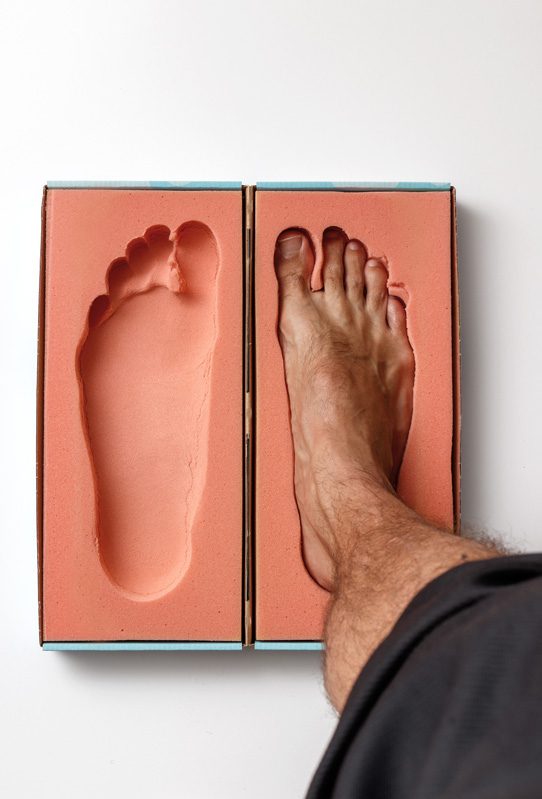
  • Foam casting/molding

  • Consideration of cheaper orthotic interventions

We are moving beings and must be assessed as such. The documentation and collection of all this is processed and applied to your personalized orthotics by our chiropractic doctors and sent out for construction by Xtreme Footwerks.

Our Orthotic Partnership

We are excited and proud to offer you these top-of-the-line custom foot orthotics! We utilize our partnership with Xtreme Footwerks in Idaho Springs, Colorado. Shawn Eno, founder of Xtreme Footwerks, is a highly sought-after, board certified pedorthist who incorporates your entire assessment, highlighted above, into his moldings.

What Are Foot Orthotics Made of?

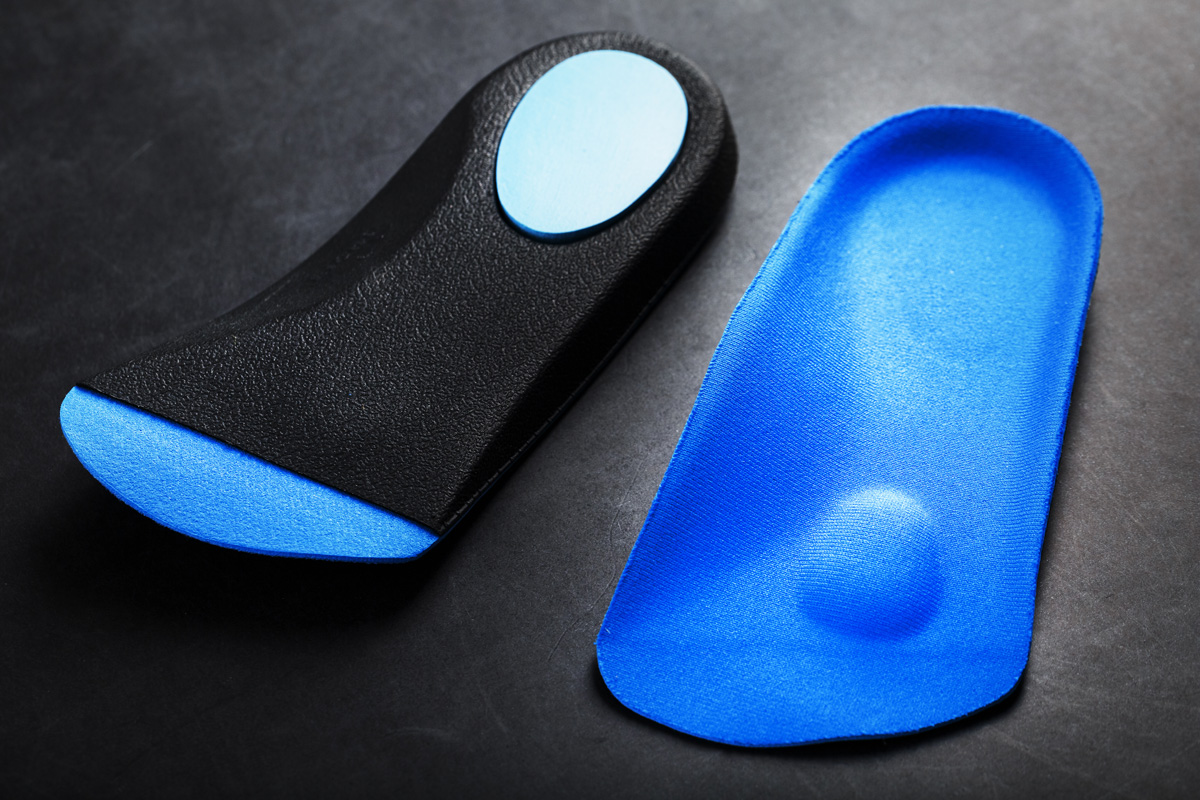
Through our partnership with Xtreme Footwerks, our custom foot orthotics consist of multi-layer EVA (Ethylene Vinyl Acetates). We utilize multi-layer EVA because long term orthotic users often prefer custom for their increased durability (graphite orthotics can last up to 15 years) and versatility even though custom foot orthotics have not been shown to not be more effective than over the counter orthotics.8 Over time, the increased durability of these insoles are more cost-effective.

Patients We Automatically Consider for Foot Orthotics May Have the Following Conditions:

  • Tibial Torsion, Valgum, Varum

    • Tibial torsion is when a shin bone grows in a twisted formation.
    • Tibial Valgum is bowing outwards of the shin bones.
    • Tibial Varum is bowing inward of the shin bones.
  • Varus to Valgus Forefoot

    • Similar to tibial torsion, the front part of the foot (forefoot) grows into a twisted position regarding the rearfoot (i.e. heel bone).
  • Hip Rotation (Retroversion and Anteversion)

    • Either of these variants are not a definitive reason for foot orthotics. However, depending on a person’s movement requirements (due to work or leisure) orthotics might be considered.
  • Bunion Formation or Restricted Big Toe

    • Bunion formations, of the big toe joint, are typically a byproduct from movement limitations within the foot. Gout is not the number one cause of bunions.
    • Bunion formation, with the big toe moving inward, is the number one cause of falls within the elderly population.
  • Navicular Drop

    • This is often thought of as the “instep” of the foot. With a significant navicular drop a person might not be able to achieve a relatively ideal midfoot position during certain phase of the gait process.
15 years graphite orthotics can last up to 15 years
mold cast for custom foot orthotics

Alternative Foot Orthotics

We love the ToePro Pad. It’s a game changer foot, ankle, and calf rehab. It provides various levels of cushion and support which we have not seen matched by other products.

When it comes to cushion within a foot insole, Sorbothane products are the best. The wonderful benefits of Sorbothane are its affordability at roughly $20-30 and it being the most shocking absorbing foot orthotic material on the market! Sorbothane is a strong option for those who must stand all day. The downside to Sorbothane, is it being the most shock absorbing material, it can also deplete in rigidity faster (i.e. you may have to buy them once every few months). However, weighting a cost benefit analysis, a person can go through a lot of Sorbothane inserts before hitting the cost of a custom foot orthotic.

are not the cheapest option on the market, but they are considered to be the gold standard in a passive appliance helping open up the toes. Over the decades our shoe ware has caused restrictions in our toes and feet. Correct toes work to correct that problem.

Content written by Dr. Keith Sparks, DC | Dynamic Neuromuscular Stabilization (DNS) Certified Exercise Trainer, Functional and Kinetic Treatment with Rehabilitation (FAKTR) Certified, Selective Functional Movement Assessment Certified (SFMA) Certified, Functional Movement Systems (FMS) Certified, Buteyko Instructor
Content written by Dr. Samuel Reals, DC | Rethinking Running Rehab - Part B Gait Analysis and Rehab of Runners

View Citations and References

1 Michaud T. Injury-Free Running: your illustrated guide to biomechanics, gait analysis, and injury prevention. Lotus Publishing. 2021

2 Nielsen RO, Buist l, Partner ET, et al. Foot pronation is not associated with increased injury risk in novice runners wearing a neutral shoe: a 1-year prospective cohort study. Br J Sports Med.2014;48(6):440-447. doi:10.1136/bjsports-2013-092202.

3 Franklyn-Miller A, Wilson C, Bilzon J, McCrory P. Foot orthoses in the prevention of injury in initial military training: a randomized controlled trial. Am J Sports Med. 2011;39(1):30-37. doi:10.1177/0363546510382852.

4 Protopapas K, Perry SD. The effect of a 12-week custom foot orthotic intervention on muscle size and muscle activity of the intrinsic foot muscle of young adults during gait termination. Clin Biomech. 2020;78:105063. doi:10.1016/j.clinbiomech.2020.105063.

5 MacLean C, Davis IM, Hamill J. Influence of custom foot orthotic intervention on lower extremity dynamics in healthy runners. Clin Biomech. 2006;21(6),623-630. doi:10.1016/j.clinbiomech.2006.01.005.

6 Kogler GF, Veer FB, Solomonidis SE, Paul JP. The influence of medial and lateral placement of orthotic wedges on loading of the plantar aponeurosis. J Bone Joint Surg Am. 1999;81(10):1403-1413. doi:10.2106/00004623-199910000-00005.

7 Rosedale R, Rastogi R, Kidd J, Lynch G, Supp G, Robbins SM. A study exploring the prevalence of Extremity Pain of Spinal Source (EXPOSS). J Man Manip Ther. 2020;28(4):222-230. doi:10.1080/10669817.2019.1661706

8 Landorf KB, Keenan AM, Herbert RD. The effectiveness of foot orthoses to treat plantar fasciitis: a randomized trial. Arch Intern Med. 2006;166(12):1305-1310. doi:10.1001/archinte.166.12.1305.

For More Health Info and Topics

Search our Library for more information surroundings various health topics, facts, and myths of healthcare, and much more. Sign up for our Newsletter to receive monthly health tips and our 10 Tips to True Health.

Download Now

Contact Us with Further Questions

If you are in the Wichita, KS, area and are having frustrations, complications, or stagnant results with care, then contact us for in-person help with our unique healthcare approaches. If you are not within the greater Wichita, KS metro, we have created amazing Telehealth and Video Programs to provide you the same high-quality care. Contact our professional chiropractic staff at our East Wichita clinic or West Wichita clinic about possible treatments for your muscle, joint, nutrition, and health-related concerns today.

Contact Our Team

We only affiliate with products, services, and merchants that we believe will provide value to individuals who are curious on the topic or product at hand. We only endorse products, services, and merchants that we have personally used/tested and consider of the highest quality standard to which a ‘normal’ individual can purchase. There are affiliate links within this page, which means we may get compensated/earn a commission at no extra cost to you if the affiliate links are utilized to make a purchase.

Read more …Custom Foot Orthotics

Kinesio Tape (Rocktape)

chiropractor applying kinesio tape (KT Tape) to bottom of patient's foot

Kinesio Tape (Rocktape) Therapy in Wichita, KS

Kinesio Tape, also referred to as KT Tape, K Tape or RockTape, is the application of certain tapes to improve stability, increase blood flow, and improve proprioceptive (sensory) feedback.

KT Tape has quickly revolutionized in-between visit care for all, from everyday individuals to elite performance athletes. Depending on the problem at hand, KT Tape can be applied in various ways for desired effects.

What Is the Purpose of KT Tape?

The goal with KT Tape is to help individuals temporarily move in a way without pain. Taping can help achieve this by stimulating sensorimotor (sensory to motor) units to help re-communicate injured tissue(s) (nerves, fascia, muscles, joints, etc.) to the brain. This in-turn helps an individual move without pain and/or in a pattern that will less likely lead to compensation and subsequent pain.  

How Does KT Tape (RockTape) Work?

The best scientific literature to date on the effectiveness of taping outcomes is based on neurology. Pain is always a sensation and expression of the brain. There are countless amounts of sensory fibers traveling to the brain. Sensory fibers travel at different speeds to the brain depending on the stimulus.

Stimulated sensory fibers from the skin, by KT Tape, travel faster to the brain than certain pain fibers. As a result, the brain interprets the stimulated skin fibers first. The brain is tricked into focusing on the stimulated skin instead of the damaged tissue. This process is how KT Tape or RockTape is highly effective at helping eliminate pain.

How Does Tape Help Pain Go Away?

At the end of the day, the fastest horse wins the race. Pain signals from muscles travel between 5 to 15 m/s or 11 to 33mph. At any given time, the central nervous system (brain and spinal cord) can only handle processing so much sensory information. The nerves that are communicating to the brain at a faster speed are the nerves that win the race. The sensory fibers from the tape travel at a faster speed than the pain fibers.

Different Styles of Taping

Outside of the main tape producing companies, there are many different “styles” of taping. Each style has its own purpose or validation.

Specific Proprioceptive Response Taping (SPRT)

Specific Proprioceptive Response Taping (SPRT) is unique within the taping world. SPRT does not use Kinesiotape to help the injured tissue. However, Kinesiotape is sometimes used as a buffer between clothing and the more important taping aspect of SPRT. SPRT considers the location, intensity of pain, and direction of pull/support of a “tab” to help facilitate healing.

SPRT taping is often referred to as Tab Taping. It is relatively self-explanatory. Instead of using Kinesiotape to pull on the tissue, a stiffer tape, Leukotape, is used to pull the tissue more aggressively via the creation of a “tab.” This tap helps to pull the tissue to a further degree away from the inflamed area. It also helps to create a more prominent high low-pressure gradient underneath the tab.

What Does a High Low-pressure Gradient with Taping Do?

This is a key feature of SPRT taping. By creating a high low-pressure gradient, the inflammation can travel out of the problematic area faster.

Why Would I Use SPRT?

The uniqueness of SPRT lies within the degree a practitioner can mechanically pull on the tab. This capability can offer significantly more support, if necessary, to stabilize a joint and/or the surrounding soft tissue structures. The level of support SPRT can offer compared to other taping styles can give it a significant advantage with helping to facilitate the healing process.

applying rocktape for foot injury

Common Symptoms Relieved Through Chiropractic Kinesio (RockTape)

Our chiropractor’s approach in using Kinesio (RockTape) is to assist an injured or problematic area in the recovery process by improving stability, blood flow, and proprioceptive input. Below are some common ailments and diagnoses our expert chiropractors find KT Tape (RockTape) can address.

  • Tennis elbow

  • Sciatic nerve pain

  • Carpal tunnel

  • Shoulder pain

  • Shin splints

  • Plantar fasciitis

  • Knee pain

  • Achilles tendonitis

  • Back pain

  • Muscle pain/support

  • Tendon pain/support

  • Ligament pain/support

  • Joint pain/support

  • Tingling/numbness/weakness

  • Nerve entrapments (pinched nerve)

Additional Benefits of Kinesio Tape (RockTape)

ICT Muscle and Joint Clinic’s chiropractic doctors may also integrate KT Tape to improve movement patterns, reduce swelling, and improve blood flow. RockTape and Kinesio Tape are meant to be utilized for short-term results. Once inflammation and pain-free movement patterns are established, our expert chiropractors recommend care plans that should transform into rehabilitative exercises for long-term results.

Why You Should Choose Our Chiropractors in Wichita, KS, for KT Tape (RockTape)

Our experienced chiropractors in Wichita, KS, can help you by providing professional insight toward your current symptoms and how KT Tape can benefit you. Whether you are facing back pain or would like better support for your joints, our chiropractic doctors can help. Each of our chiropractic doctors are highly educated and eager to help you treat your current symptoms through the use of RockTape.

Content written by Dr. Keith Sparks, DC | Functional Taping for Musculoskeletal Injuries Certified
Content reviewed by Dr. Sam Reals, DC | Functional Taping for Musculoskeletal Injuries Certified

For More Health Info and Topics

Search our Library for more information surroundings various health topics, facts, and myths of healthcare, and much more. Sign up for our Newsletter to receive monthly health tips and our 10 Tips to True Health.

Download Now

Contact Us with Further Questions

If you are in the Wichita, KS, area and are having frustrations, complications, or stagnant results with care, then contact us for in-person help with our unique healthcare approaches. If you are not within the greater Wichita, KS metro, we have created amazing Telehealth and Video Programs to provide you the same high-quality care. Contact our professional chiropractic staff at our East Wichita clinic or West Wichita clinic about possible treatments for your muscle, joint, nutrition, and health-related concerns today.

Contact Our Team

Read more …Kinesio Tape (Rocktape)

Instrument Assisted Soft Tissue Mobilization (IASTM)

chiropractor providing instrument assisted soft tissue mobilization (IASTM)

IASTM (Instrument Assisted Soft Tissue Mobilization) Therapy

IASTM (Instrument Assisted Soft Tissue Mobilization) is an advanced therapeutic technique commonly used by experienced chiropractors, physical therapists, and athletic trainers to release tight muscles and fascia by the use a medical-grade, stainless steel tool “scraped” along the skin.

There are many techniques, within using a metal “scraping” tool, that utilize some form of stainless steel or rubber-based instrument including Graston, FAKTR, IASTM, ASTYM. Often, these various techniques become referred to as ‘blading’ or ‘scraping’ due to the nature of the techniques.

How Does the IASTM Scraping Tool Work?

The scraping tool works in two different ways: locally and neurologically.

  • Locally

    By repeatedly scraping the FAKTR tool along an area, our chiropractors can see tiny red dots called ‘Petechiae.’ Locally, these tiny red dots are an indication that blood is returning to the area.

    This local breakdown of the tissue creates a positive, PRO-inflammatory response which induces a healing effect in the tissue by stimulating new collagen and elastin production. Collagen and elastin comprise our soft tissue structures.

  • Neurologically

    On a neurological level, the scraping tool allows the brain and body to reconnect better. The brain realizes the area at hand is being addressed, which in turn allows the brain to relax and release the neurological tension being held within the area.

Is Bruising Common with Scraping?

Very light bruising may occur. Anything more than this and you should question the individual’s knowledge with using these types of instruments. Bruising is NOT the goal!

Common Symptoms Relieved Through Chiropractic IASTM

Chiropractic IASTM in Wichita, Kansas, can help reduce and eliminate various neuromuscular pains and problems. Below are some of the common ailments and diagnoses that IASTM can address.

  • Neck pain and spasms

  • Muscle spasms

  • Tight muscles

  • Back pain

  • Sciatica

  • Achilles tendonitis

  • Plantar fasciitis

  • Elbow tendonitis

  • Headaches

  • Shoulder pain

  • Knee pain

  • Shin splints

  • Hip pain

  • Carpal tunnel

Read Feedback from Our Dry Needling Patients

Paige H.

5-star Review on Google

"Great chiropractors and super nice! They use special techniques like dry needling, cupping, scraping etc. They have helped me with multiple sports injuries over the years. Check them out!"

Read More Patient Reviews

Content written by Dr. Keith Sparks, DC | Functional and Kinetic Treatment with Rehabilitation (FAKTR) Certified
Content reviewed by Dr. Rachel Sparks, DC | Functional and Kinetic Treatment with Rehabilitation (FAKTR) Certified; Graston, Instrument Assisted Soft Tissue Mobilization Certified

For More Health Info and Topics

Search our Library for more information surroundings various health topics, facts, and myths of healthcare, and much more. Sign up for our Newsletter to receive monthly health tips and our 10 Tips to True Health.

Download Now

Contact Us with Further Questions

If you are in the Wichita, KS, area and are having frustrations, complications, or stagnant results with care, then contact us for in-person help with our unique healthcare approaches. If you are not within the greater Wichita, KS metro, we have created amazing Telehealth and Video Programs to provide you the same high-quality care. Contact our professional chiropractic staff at our East Wichita clinic or West Wichita clinic about possible treatments for your muscle, joint, nutrition, and health-related concerns today.
Contact Our Team

Read more …Instrument Assisted Soft Tissue Mobilization (IASTM)

Active Release Techniques (ART)

chiropractor performing active release therapy (ART) on a patient's leg and hip.

A.R.T. (Active Release Technique) in Wichita, KS

A.R.T. (Active Release Technique) is the progression of an older and comparable approach generalized as “pin and stretch.” A.R.T. is a highly effective and efficient hands-on treatment procedure consisting of over 500 different movements to treat soft tissue structure(s).

Even though they are similar, A.R.T. is utilized by chiropractors who create tension and compression, via thumb(s), instead of a generalized hand contact as seen in “pin and stretch.”

Common Symptoms Relieved Through Chiropractic A.R.T.

Active release treats inflamed, scarred, irritated, and tight soft tissue structure(s), which may include muscles, tendons, ligaments, nerves, and fascia. Through ART, our chiropractors in Wichita, Kansas can help reduce and/or eliminate various neuromuscular pains and problems. Below are some of the common ailments and diagnoses that Active Release Techniques can address.

  • Tension headaches

  • Neck pain

  • Tennis elbow

  • Sciatic nerve pain

  • Carpal tunnel

  • Shoulder pain

  • Shin splints

  • Plantar fasciitis

  • Low back pain

  • Exercise-induced pain

  • Joint pain

  • Tingling/numbness/weakness

  • Nerve Entrapments (Pinched Nerve)

How Our Chiropractic Clinic Can Help

Over time, improper or dysfunctional tissue can create joint compression and altered movement patterns leading to pain. A.R.T. has quickly become one of the leading treatment protocols for collegiate, professional, and Olympic level athletes world-wide. Regardless of athletic ability, many individuals experience adaptive changes within their soft tissues, often leading to pain. ICT Muscle & Joint Clinic’s chiropractors are trained in A.R.T. to better treat your array of pains and tissue dysfunction in the timeliest manner!

Custom Pain Management

Each session of A.R.T. can be different and customized to your needs. At ICT Muscle & Joint Clinic, our professional chiropractors can utilize the sizable number of treatment protocols to ensure that you have the best treatment possible. Often, we pair A.R.T. with other interventions such as dry needling, and rehabilitation exercises.

Long-Term Benefits of Using A.R.T. (Active Release Technique)

  • Increases flexibility

  • Lower Back Pain Reduction

  • Carpal Tunnel Pain Reduction

  • Running Injury Prevention and Performance Improvement

Content written by Dr. Keith Sparks, DC | Former ART Elite Provider Network
Content reviewed by Dr. Sam Reals, DC | Upper Body ART

For More Health Info and Topics

Search our Library for more information surroundings various health topics, facts, and myths of healthcare, and much more. Sign up for our Newsletter to receive monthly health tips and our 10 Tips to True Health.

Download Now

Contact Us with Further Questions

If you are in the Wichita, KS, area and are having frustrations, complications, or stagnant results with care, then contact us for in-person help with our unique healthcare approaches. If you are not within the greater Wichita, KS metro, we have created amazing Telehealth and Video Programs to provide you the same high-quality care. Contact our professional chiropractic staff at our East Wichita clinic or West Wichita clinic about possible treatments for your muscle, joint, nutrition, and health-related concerns today.

Contact Our Team

Read more …Active Release Techniques (ART)